Investing in Las Terrenas Real Estate: Your Complete Guide to Dominican Property Investment
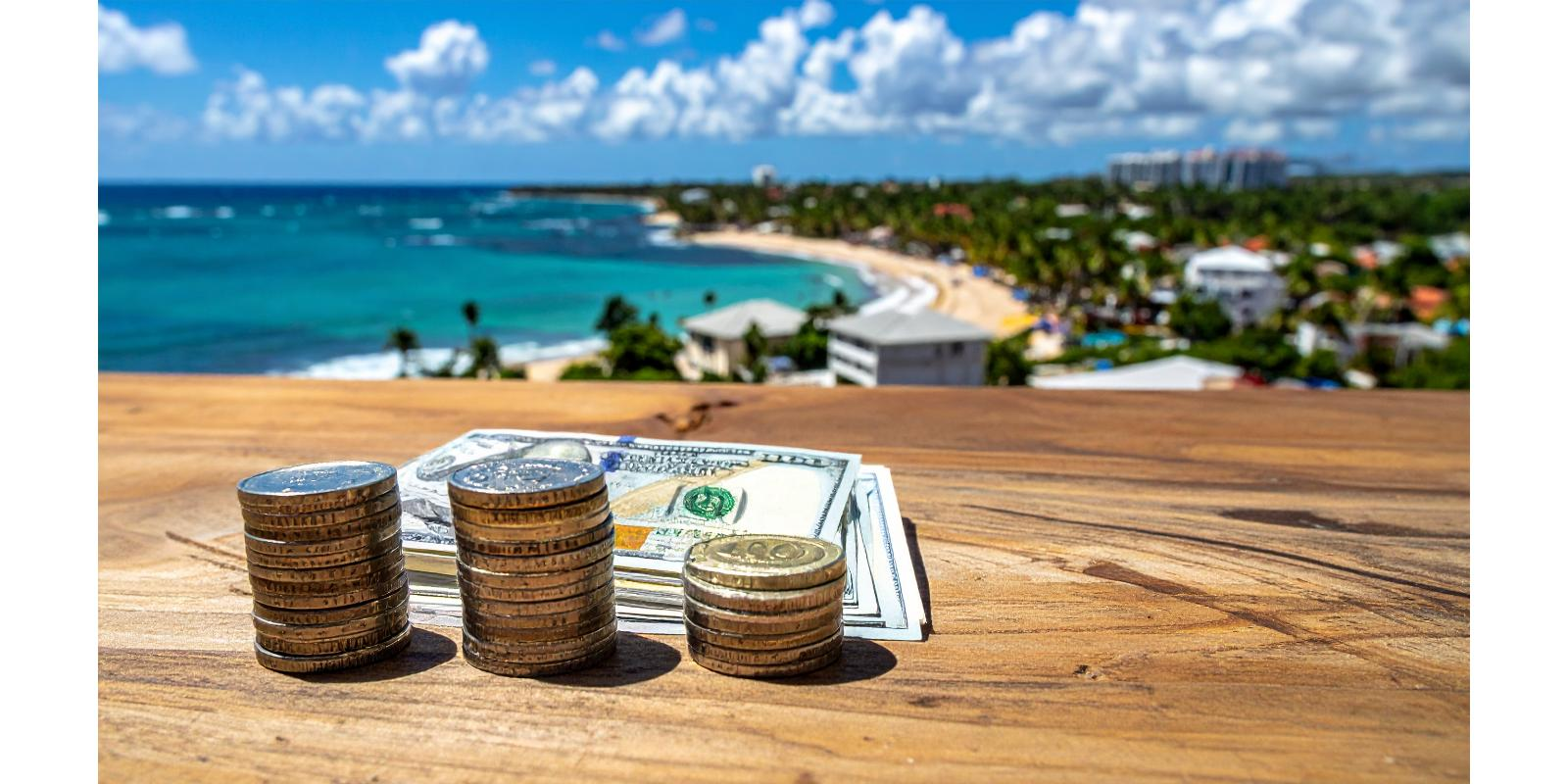
What if your investment property came with a beach view?
While most investors chase returns in crowded markets like Miami or Austin, a quiet opportunity is unfolding on the northeastern coast of the Dominican Republic. Las Terrenas—once a sleepy fishing village—has become one of the Caribbean’s most compelling real estate investment stories.
But here’s what the glossy brochures won’t tell you: investing in Dominican real estate isn’t like buying property back home. Different rules, different processes, different opportunities—and yes, different risks.
This guide cuts through the hype and gives you the real story. Whether you’re considering your first international property, looking to diversify your portfolio, or dreaming of a vacation home that pays for itself, here’s everything you need to know about investing in Las Terrenas real estate.
👉 Ready to explore investment opportunities? View available properties with Amavi Real Estate—we specialize in guiding international investors through the Dominican market.
🌍 Why Las Terrenas? Why Now?
The Investment Case
Las Terrenas is experiencing what happened to Tulum 10 years ago—but you’re early.
The numbers:
- 📈 Property values: +8-12% annual appreciation (last 5 years)
- 🏖️ Tourism growth: +15% year-over-year
- ✈️ New international airport: Under construction (2026 completion)
- 🏗️ Infrastructure improvements: Roads, utilities, fiber internet
- 💰 Rental yields: 6-10% for well-managed properties
- 🌐 Digital nomad influx: Creating year-round rental demand
What’s driving growth:
- Accessibility improving
- New Samaná International Airport (closer than current Santo Domingo route)
- Direct flights from US/Canada/Europe expanding
- Better roads connecting to Santo Domingo
- Tourism evolution
- Shift from all-inclusive resorts to boutique experiences
- Digital nomad explosion creating long-term rentals
- European market discovering Las Terrenas
- Wellness tourism booming
- Still affordable
- 40-60% cheaper than Punta Cana beachfront
- 50-70% cheaper than Tulum or Playa del Carmen
- Entry point: $180K for income-producing property
- Luxury: $500K-$2M for premium beachfront
The window: Prices rising but still accessible. Airport completion in 2026 will likely accelerate growth.
💰 1. Understanding the Dominican Real Estate Market
How It’s Different from Home
Key differences from US/Canada/Europe:
Title system:
- ✅ Dominican Republic uses Torrens title system (strong property rights)
- ✅ Once titled, ownership is clear and secure
- ⚠️ BUT: Not all land is titled (some properties have different ownership structures)
Ownership structures:
- Direct ownership: You own property in your name (possible for foreigners)
- Corporation ownership: Many investors use Dominican corporation (tax benefits)
- Fideicomiso (trust): Alternative structure for estate planning
Foreigners CAN:
- ✅ Own property directly (same rights as Dominicans)
- ✅ Own beachfront property (with restrictions on first 60 meters)
- ✅ Finance through Dominican banks (difficult but possible)
- ✅ Rent property short or long-term
- ✅ Sell property and repatriate funds
Foreigners CANNOT:
- ❌ Own property in “border zones” (not relevant to Las Terrenas)
- ❌ Expect US/Canadian mortgage terms (financing is different)
The Real Costs (Hidden Fees Revealed)
Purchase costs (on top of property price):
Buyer typically pays:
- Transfer tax: 3% of declared value
- Lawyer fees: 1-2% of purchase price
- Notary fees: ~1%
- Title search & related fees: 0.5-1%
- Registration fees: Variable
- TOTAL: Approximately 5-7% of purchase price
Seller pays:
- Capital gains tax: 3% of sale price (or 25% of actual gains, seller chooses)
- Real estate agent commission: 5-10% (negotiable)
Annual ownership costs:
Property taxes (IPI):
- First $9,361: Exempt
- Next value: 0-1% depending on property value
- Reality: $200-2,000/year for most Las Terrenas properties
HOA fees (if applicable):
- Basic condos: $50-150/month
- Luxury developments: $200-500/month
- Includes: Security, common area maintenance, sometimes utilities
Utilities:
- Electric: $50-300/month (AC expensive!)
- Water: $20-50/month
- Internet: $50-80/month
- Gas: $30-60/month
Property management (if renting):
- 10-20% of rental income
- Includes: Marketing, guest communication, cleaning, maintenance
🏡 2. Investment Property Types & Strategies
Option 1: Vacation Rental (Short-Term)
Best for: Investors who also want personal use
Properties:
- Beachfront condos: $200K-$500K
- Villas with pools: $300K-$800K
- Boutique apartments: $180K-$300K
Rental strategy:
- List on Airbnb, VRBO, Booking.com
- Target: 50-70% occupancy
- High season (Nov-Apr): $150-400/night
- Low season (May-Oct): $80-200/night
Potential income:
- High season rates: $150-400/night
- Low season rates: $80-200/night
- Target occupancy: 50-70%
- Properties in this range can generate strong returns
Pros:
- ✅ Higher nightly rates
- ✅ Personal use when desired
- ✅ Easier to manage remotely
- ✅ Strong demand year-round
Cons:
- ❌ More management intensive
- ❌ Furnishing costs ($15K-30K)
- ❌ Vacancy risk in low season
- ❌ Platform fees (15-20%)
Option 2: Long-Term Rental (Digital Nomads/Expats)
Best for: Hands-off investors seeking stable income
Properties:
- 1-2BR apartments: $120K-$250K
- Small houses: $150K-$300K
- Condos near town: $150K-$350K
Rental strategy:
- Target digital nomads and expats
- 6-12 month leases
- Rent: $700-$1,500/month depending on location
Rental potential:
- Monthly rent: $700-$1,500 depending on location
- 6-12 month leases typical
- Growing digital nomad and expat market
- More stable income than short-term rentals
Pros:
- ✅ Stable, predictable income
- ✅ Less management required
- ✅ Lower turnover costs
- ✅ Growing nomad market
Cons:
- ❌ Lower rental rates
- ❌ No personal use
- ❌ Tenant issues possible
- ❌ Rental laws favor tenants
Option 3: Fix & Flip / Development
Best for: Experienced investors with local connections
Opportunities:
- Undervalued properties: $80K-$200K
- Renovation potential: Add $30K-$80K
- Resale value: $150K-$350K
- Profit potential: $20K-$70K per project
Timeline:
- Purchase & closing: 2-3 months
- Renovation: 3-6 months
- Marketing & sale: 2-4 months
- Total: 7-13 months
Challenges:
- ⚠️ Finding reliable contractors
- ⚠️ Material costs higher than expected
- ⚠️ Permits and bureaucracy
- ⚠️ Timeline delays common
Required:
- Local contacts (we can help)
- On-ground project management
- Renovation budget buffer (add 20%)
- Exit strategy if sale takes longer
Option 4: Land Investment (Long-Term Hold)
Best for: Patient investors betting on growth
Opportunities:
- Hilltop lots with views: $30K-$100K
- Beachfront parcels: $100K-$500K
- Development land: $50K-$200K
Strategy:
- Buy titled land in growth path
- Hold 5-10 years
- Sell to developers or build yourself
Appreciation potential:
- Historical: 10-15%/year in good locations
- Risk: No income while holding
- Carrying costs: Property taxes only (~$100-500/year)
Critical due diligence:
- ✅ Verify clear title
- ✅ Confirm zoning/building permits possible
- ✅ Check infrastructure access (road, utilities)
- ✅ Understand “coastal zone” restrictions
- ✅ Survey land boundaries professionally
🎯 3. The 10 Smart Investor Rules for Las Terrenas
Rule 1: Visit Before You Buy (Non-Negotiable)
Why virtual buying fails here:
You can’t assess from photos:
- Actual condition vs. photography
- Neighborhood noise levels
- Proximity to amenities (Dominican “5 minutes” means 15)
- Build quality and finishes
- Natural light and views
- Moisture/mold issues (common in tropics)
Proper visit timeline:
- Minimum: 4-7 days
- Ideal: 2 weeks
What to do:
- View 10-15 properties (gives perspective)
- Visit neighborhoods at different times (day/night, weekday/weekend)
- Talk to property owners (get real experiences)
- Meet with lawyers and property managers
- Experience the lifestyle (is this really where you want to invest?)
Red flag: Any seller pressuring you to buy sight-unseen.
Rule 2: Use a LOCAL Lawyer (Not Your Friend’s Cousin)
The right lawyer:
- ✅ Licensed in Dominican Republic
- ✅ Specializes in real estate
- ✅ Works with foreign clients regularly
- ✅ Fluent in your language
- ✅ Independent (not recommended by seller)
What they do:
- Full title search
- Verify seller actually owns property
- Check for liens, debts, encumbrances
- Review purchase contract
- Attend closing
- Register transfer
- Set up corporation if needed
Cost: 1-2% of purchase price
Worth it? ABSOLUTELY. Title issues can cost you everything.
👉 Contact Amavi for vetted lawyer recommendations.
Rule 3: Understand “Beach Concession” Properties
The 60-meter rule: First 60 meters from high tide = public domain (owned by government)
What this means:
- You can’t own the land itself
- You CAN have a “concession” (lease from government)
- Concession period: Typically 25-50 years (renewable)
- You own the structure, lease the land
Beachfront ownership structures:
- Direct beachfront (0-60m):
- Concession required
- More paperwork
- Renewal process every 25-50 years
- Usually cheaper purchase price
- Behind beach properties (60m+):
- Full ownership possible
- Clear title easier
- Still great ocean views
- Often better value
Due diligence critical:
- Verify concession is current and transferable
- Understand renewal terms
- Check for government development plans
- Ensure structure permits are valid
Not a deal-breaker—many luxury properties operate this way. Just know what you’re buying.
Rule 4: Understand All Costs (Not Just Purchase Price)
Beyond the sticker price:
When budgeting for your investment, remember the purchase price is just the beginning. Factor in:
Initial investment includes:
- Purchase price
- Closing costs (5-7%)
- Furnishing (if short-term rental)
- Reserve funds for emergencies
Ongoing annual costs:
- Property taxes
- HOA fees (if applicable)
- Utilities
- Maintenance and repairs
- Property management fees
Rental considerations:
- Platform fees for short-term rentals (15-20%)
- Cleaning and turnover costs
- Marketing expenses
- Guest supplies and amenities
Work with your financial advisor to create realistic projections based on your specific property and investment strategy.
Rule 5: Currency Matters (Hedge Your Bets)
The Dominican Peso (DOP) reality:
Property priced in: Usually USD (stable)
Operating expenses in: DOP (fluctuates)
Rental income in: USD or DOP (depends)
Exchange rate impact:
Scenario 1: USD strengthens
- ✅ Your property value (in USD) stable
- ✅ Operating costs decrease (fewer USD needed for DOP expenses)
- ✅ Good for you
Scenario 2: USD weakens
- ⚠️ Property value (in USD) stable
- ⚠️ Operating costs increase (more USD needed for DOP expenses)
- ⚠️ Profit margin squeezed
Hedging strategies:
- Price rentals in USD (common practice)
- Keep reserves in USD
- Open USD and DOP accounts
- Budget with 10% currency cushion
Historical: DOP relatively stable (50-60 DOP/USD range for years)
Rule 6: Property Management Is Make-or-Break
Self-management reality check:
Can you:
- Respond to 2am emergencies?
- Coordinate repairs from abroad?
- Handle guest complaints in Spanish?
- Manage cleaning between rentals?
- Keep up with Dominican regulations?
If no → You need professional management.
What good property managers do:
- Guest communication (booking to checkout)
- Professional cleaning and turnovers
- Maintenance coordination
- Emergency response 24/7
- Pricing optimization
- Listing management (Airbnb, VRBO, etc.)
- Financial reporting
- Tax documentation
Cost: 10-20% of rental income
How to choose:
- Check Google reviews
- Ask for client references
- Understand communication process
- Clarify exactly what’s included
Red flags:
- ❌ No written contract
- ❌ Poor communication response time
- ❌ No financial transparency
👉 Amavi works with vetted property managers—ask us for recommendations.
Rule 7: Financing Is Different (Plan Accordingly)
The hard truth: Dominican mortgages for foreigners are difficult.
Dominican bank financing:
- Available but challenging
- Down payment: 30-50% required
- Interest rates: 8-12% (higher than US/Canada)
- Terms: 10 years max
- Requirements: Dominican income, residency helpful
- Process: Slow (3-6 months)
Alternative financing:
- Cash purchase (most common)
- Simplest process
- Stronger negotiating position
- No financing risk
- Home country financing
- HELOC on existing property
- Cash-out refinance
- Brings USD at low rates
- Seller financing (sometimes available)
- Negotiate with seller
- Terms: 20-40% down, 3-5 year term
- Interest: 5-8% negotiable
- Developer financing (new construction)
- Payment plans during construction
- 20-30% down, installments
- Final payment at delivery
Most successful investors: Buy cash or use home-country leverage.
Rule 8: Tax Planning (Two Countries, Double Complexity)
Dominican taxes on property:
Property tax (IPI):
- First ~$9,000: Exempt
- Above that: 0-1% based on value
- Annual cost: $200-$2,000 typically
Rental income tax:
- Rental income is taxable in DR
- Rate: Progressive, 15-27%
- But: Expenses deductible
- Reality: Most small investors pay minimal tax
Capital gains tax (when you sell):
- Option 1: 3% of sale price (no questions asked)
- Option 2: 25% of actual profit (if you kept records)
- Most choose Option 1 for simplicity
Your home country taxes:
United States:
- Must report worldwide income
- May owe US tax on rental income
- Foreign tax credit available (avoid double taxation)
- Capital gains when sold
- Must work with international tax CPA
Canada:
- Similar to US (worldwide income reporting)
- Foreign tax credit system
- Principal residence exemption doesn’t apply
- Work with cross-border accountant
Europe (varies by country):
- Check specific country tax treaties with DR
- Often similar reporting requirements
Critical: Hire accountants in BOTH countries who understand international property.
Cost: $1,000-3,000/year (worth every penny to avoid penalties)
Rule 8: Exit Strategy (Plan Your Escape)
Before you buy, know how you’ll sell.
Selling timelines in Las Terrenas:
- Hot market: 3-6 months
- Normal market: 6-12 months
- Slow market: 12-24 months
Who buys in Las Terrenas:
- North American investors/expats (50%)
- European buyers (30%)
- Dominican nationals (15%)
- Other international (5%)
Selling costs:
- Capital gains tax: 3% of sale price (typically)
- Real estate commission: 5-10% (negotiable)
- Lawyer fees: ~1%
- Total: ~9-14% of sale price
Selling costs to consider:
- Capital gains tax: 3% of sale price (typically)
- Real estate commission: 5-10% (negotiable)
- Lawyer fees: ~1%
- Total selling costs typically range 9-14% of sale price
Liquidity considerations:
- Premium properties sell faster
- Beachfront always in demand
- Overpriced properties sit forever
- Cash buyers move quickly
Alternative exit: Rent-to-own
- Find buyer who needs time to arrange financing
- Collect rent + down payment
- Close sale in 1-3 years
- Mitigates slow market risk
🚨 4. Red Flags & Scams to Avoid
Common Traps
🚩 “Too good to be true” pricing
- If it’s 40%+ cheaper than similar properties → investigate deeply
- Could be title issues, structural problems, or scam
🚩 Pressure to buy immediately
- “Another buyer coming tomorrow”
- “Price going up next week”
- Legitimate sellers give you time to do due diligence
🚩 No formal contract/receipt
- Everything must be documented
- Handshake deals mean nothing legally
- Insist on proper legal process
🚩 Unclear ownership/title
- Seller can’t provide clear title documentation
- Multiple family members claiming ownership
- Disputes over property boundaries
🚩 Developer payment plans with no escrow
- Your payments should go into escrow
- Protect against developer bankruptcy
- Never pay cash directly to developer
🚩 Rental guarantee promises
- “We guarantee 10% return!”
- Often unenforceable
- If returns were guaranteed, they wouldn’t need to promise
🚩 Unlicensed realtors
- Work only with licensed professionals
- Verify credentials
- Check references thoroughly
How to protect yourself:
- ✅ Work with established agencies (like Amavi)
- ✅ Hire recommended lawyer
- ✅ Get everything in writing
- ✅ Do your own due diligence
- ✅ Trust your gut
- ✅ Walk away if something feels off
🏠 5. Why Work With Amavi Real Estate
We’re Investors Too (We’ve Made the Mistakes So You Don’t Have To)
What makes us different:
✅ Local expertise
- We live in Las Terrenas full-time
- Deep knowledge of every neighborhood
- Understand true market values (not inflated listings)
- Know which properties are actually good investments
✅ Investor focus
- We’re investors ourselves
- Focus on numbers, not emotions
- Honest about challenges and realistic returns
- Won’t show you properties that don’t make financial sense
✅ Full-service support
- Property search & viewing coordination
- Vetted lawyer connections
- Property manager referrals
- Accountant recommendations
- Contractor network
- Ongoing support after purchase
✅ Transparent process
- No hidden fees
- Clear commission structure (paid by seller typically)
- Detailed market analysis
- Honest pros/cons of each property
✅ International investor experience
- Worked with hundreds of foreign buyers
- Understand your home country perspective
- Navigate cultural/language barriers
- Explain Dominican systems in familiar terms
📞 Ready to Explore Las Terrenas Investment Opportunities?
The market is moving. Smart investors are positioning now.
👉 Browse Investment Properties
👉 Schedule Investment Consultation
👉 Request Market Analysis Report
📧 info@amavirealestate.com
📱 WhatsApp: +1 849 351 6639
🌴 From Analysis to Ownership: Your Investment Starts Here
Diversification isn’t just smart—it’s essential.
Caribbean real estate offers what few markets can: growth potential, lifestyle value, and portfolio protection.
Las Terrenas isn’t Punta Cana. It’s not Tulum.
It’s the opportunity those places were 10 years ago.
Are you ready to invest?
Explore Las Terrenas Investment Properties →
Last Updated: February 2026 | Written by Real Estate Investors, for Investors
Related Resources: